
Article
Why Your COGS Numbers Are Probably Wrong (+ 5 Ways to Fix Them)
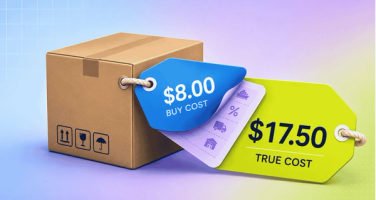
Most sellers' product costs are wrong, often by 20-35 points, usually from outdated numbers or buy cost instead of landed cost. This covers why, and the fix.
Topic hub
Articles, videos, podcasts and webinars on Inventory & COGS for ecommerce brands.
Free assessment · 13 questions · 4 min
If you can't trust your inventory numbers, you can't trust your margins, and every pricing, reorder, and growth decision starts to feel like a guess. This assessment checks how well your inventory counts, costs, and margins actually hold up, and whether your setup can handle the SKUs, channels, or volume you're planning to add.
Most sellers' product costs are wrong, often by 20-35 points, usually from outdated numbers or buy cost instead of landed cost. This covers why, and the fix.
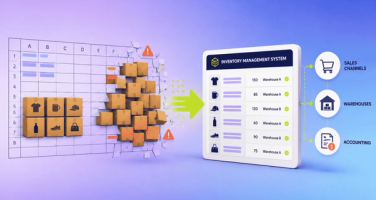
Spreadsheets work for inventory until SKU count grows and cracks show. This covers the roadblocks a manual approach creates, and where Finale Inventory fits.
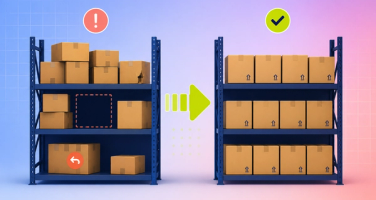
With 2026's tariffs and rising holding costs, inventory matters more than ever. Using real client stories, this covers five ways margins quietly erode.
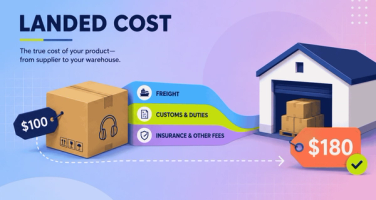
Landed cost is the full price of getting product to your warehouse, not just the invoice. This covers each component with an example, plus how to calculate it.
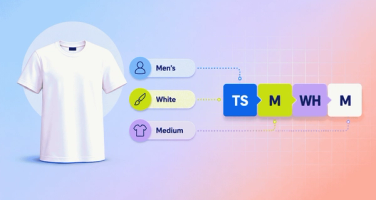
A consistent SKU naming system pays for itself once your catalog grows. This covers what a SKU is, why it matters, and a 3-step formula for building one.
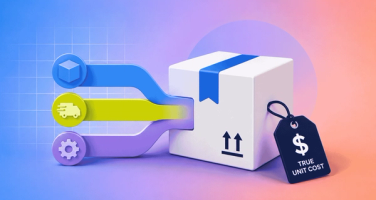
Getting COGS right starts with a product cost catalog, an accurate list of what each SKU costs you. This covers building one for three types, plus landed cost.

Nobody sends you an IEEPA tariff refund. You file for it, and the hardest part is getting into a government portal you have probably never touched. Stephen Brown walks through the process he ran for his own DTC brand: registering for the CBP ACE portal, the three fields that trip people up, adding bank details, pulling eligible entry numbers off your 7501 forms, and uploading a CSV through CAPE.

A $5 million seller got handed a $300,000 inventory adjustment at year end and spent the night trying to work out where it went. This video explains why that happens: roughly 20 points between a purchase order and your P&L where reality and your reports can separate. You get two tests for whether your numbers hold up, a gross margin consistency check and a 10% adjustment threshold, plus three things you can run this week.

Guessing at reorder timing is how sellers end up either out of stock or sitting on cash they cannot touch. This walkthrough sets up a free forecasting spreadsheet with one SKU per row, adds cost per unit and lead time, then projects this year's demand from last year's sales and a growth percentage. You learn to read the red cells that signal a coming stockout, and to work backwards from lead time to the month you actually need to order.
The service that fixes this
Get your inventory and accounting to tell the same story so you can trust your numbers

The Supreme Court ruled the IEEPA tariff authority unconstitutional, and Customs and Border Protection has built a system called CAPE to process refunds. Stephen Brown walks Stacy Walker through what it takes: an ACE portal account, bank details, eligible entry numbers, and a CSV upload. Phase one went live April 20 and payment runs 60 to 90 days. He also covers how to book the money once it lands, and why the refund trolls from the PPP era will show up again.

Chris Hondl co-founded Finale Inventory in 2014, bootstrapped it without outside capital, and sold it to Descartes in 2025. He and Stephen Brown cover what a decade of watching sellers taught him: why standard operating procedures matter more than software, why an ERP rarely fixes a discipline problem, and where the line actually sits, closer to $50 million than $5 million. He also lays out the venture capital math that made bootstrapping the better bet.

Katana's customer base saw cost of goods sold jump 103% in a single quarter as businesses front-ran tariffs. Co-CEO Ben Hussey walks Stephen Brown through what the data shows: automotive buying a year of inventory at once, food and beverage ordering 46% above the prior quarter, raw material costs up nearly 50% in three months. They also cover why almost nobody is actually relocating manufacturing, and why the arbitrage era of ecommerce is finished.

Part one of the inventory series. Inventory is an operational problem that sends you a financial bill. Karlie Lester and the Finale team work through where the chaos starts: purchasing on spreadsheets, tracking that misses every outflow except sales, and selling across channels without knowing your true cost. Brittany Brown closes with the two questions clients actually ask, and an honest answer on the cash cycle for a small brand.

Sales are growing, the P&L says you're profitable, and cash still feels tight. Karlie from LedgerGurus and Madison Kishen from Finale walk through five places profit hides inside inventory: unexplained margin swings, landed costs that never make it into product cost, spreadsheets that quietly break, nobody owning the numbers, and no monthly check. Then a three-step fix, and how each operational action turns into a financial entry.

Part three of the inventory accounting series. Brittany Brown, Karlie, and partners from Finale and A2X work through what belongs in COGS, what belongs in cost of sales, and why the difference decides whether your gross margin means anything. They cover the timing question of recognising COGS at sale or at shipment, the three costing methods, and where each tool fits as a business matures.
A free Excel template to forecast SKU-level inventory from last year's sales, flag stockouts before they happen, and plan the cash for each order.
A free Excel template to reconcile inventory counts, build landed product costs, calculate COGS by SKU, and value what is on your shelves.


The monthly close now takes less than half the time, inventory adjustments are down, and prepayments live in the books instead of a spreadsheet. David has numbers he can take to the bank.
“My books are turned around 10 to 14 days faster than they used to be.”: Kult of Athena
Shopify, Finale, and QuickBooks Online now work together, the team is fully trained on the new tools, and operating costs have dropped significantly.
“Read how LedgerGurus Modernized Outdated Systems to Set Them Up for Success”: Honig’s
In a real cost breakdown, FBA storage alone ran $0.95/unit and FBA inbound fees $1.25/unit, on top of the base landed cost, pushing a seller's assumed $8 cost to a true $17.50. Fulfillment (pick/pack/ship) is formally classified as Cost of Sales, separate from COGS, and returns that aren't recorded correctly duplicate your COGS while reducing revenue, quietly overstating your real cost.
Read: Hidden costs your COGS might be missingIt depends on direction. Inbound shipping, getting product to your warehouse, is part of COGS. Outbound shipping, sending product to the customer after it sells, is not COGS; it's classified as Cost of Sales or a fulfillment/operating expense instead.
Read: Which shipping costs belong in COGSTariffs and customs duties get added directly into your landed cost calculation, on top of product cost, shipping, insurance, and overhead, so a tariff increase raises your true cost even if your supplier's invoice price hasn't changed. If those changes aren't reflected consistently in your inventory records, your margins will silently drift and you'll end up pricing off "phantom profit," a margin that looks fine on paper but isn't real.
Read: Why your business feels cash poorWe use cookies to improve your experience and to measure how our site and ads perform.Read our Cookie Policy