

Article
How to Identify Your Most Profitable Revenue Opportunities
Finding real revenue opportunities starts with contribution margin and profit velocity, not top-line sales. This covers how to segment revenue meaningfully.

LedgerGurus expert
Chief Operating Officer
Connects accounting systems and technology so ecommerce financials scale cleanly
Stephen never planned on working in accounting but saw the power of good financial information when navigating a financial crisis for a software startup he lead. When Brittany started LedgerGurus, he saw the need for all small businesses to have the power of better financial information and operations. His journey from civil engineering to software to accounting has given him exposure to many different business disciplines.
An MBA, years on the business side of software, and a decade plus of owning two businesses and working with customers has made him a formidable financial professional. His technology, business, and finance background make him uniquely qualified to help customers with their business needs.
Stephen has an MBA from the University of Utah, a Bachelor of Science in Civil Engineering from Brigham Young University and is a CISSP. Before LedgerGurus, Stephen held executive, product management, engineering, and sales roles at a variety of technology companies.
As the Chief Operating Officer at LedgerGurus, Stephen is focused on growing and scaling the business. He has also supported many businesses as a fractional CFO and leads LedgerGurus' Advisory Practice.
My love for accounting was forged in the fire of saving a business. I used accounting to navigate a difficult period when I lead a startup from a near death to acquisition readiness. That business later had a positive sale.
Just like my experience keeping a business I lead alive, I have helped many customers through their own financial crisis periods. I can identify profit and cash flow issues and guide them to a healthy outcome.
I love integrating financial strategy with business strategy. Too many business owners don't understand finances and what it can do to help them make great decisions. At the same time, many accountants don't understand business operations and strategy. I am very comfortable bringing both mindsets together.
I love long distance running and triathlon. Where many see suffering, I see serenity.
Finding real revenue opportunities starts with contribution margin and profit velocity, not top-line sales. This covers how to segment revenue meaningfully.
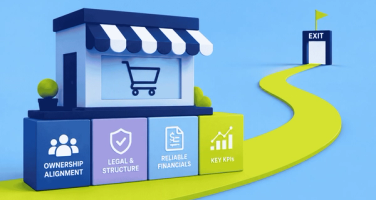
Most owners don't think about their exit until it's too late to fix what's broken. This covers four areas to focus on now so you're ready whenever you exit.
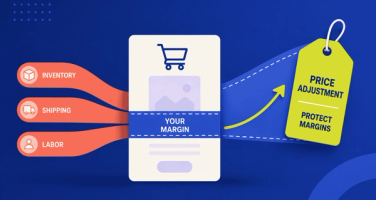
Inflation quietly erodes margins through rising inventory, shipping, and labor costs. This covers how to spot the impact, and three pricing approaches.

Prepping an ecommerce business for sale 12-18 months out can add real dollars to its final value. This covers six areas to focus on before you list it.

Profitability, not growth, keeps a business alive through a downturn. This covers a five-part financial health check to see where you stand and what's next.
Ecommerce trends shift fast. Here are the ones worth watching this year, and how each one affects your bottom line.
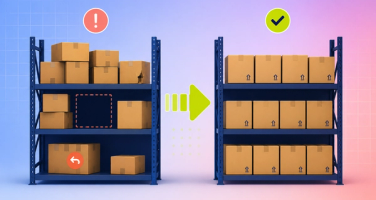
With 2026's tariffs and rising holding costs, inventory matters more than ever. Using real client stories, this covers five ways margins quietly erode.
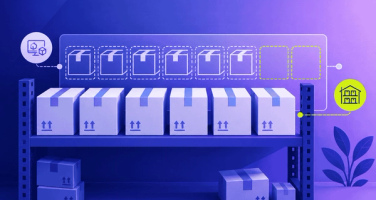
When inventory counts don't match the books, the culprit is usually one of a few causes, like theft or untracked refunds. This shows how to close the gap.
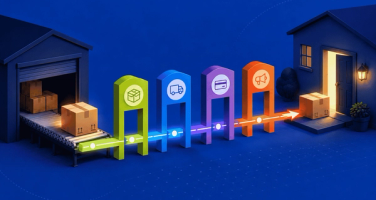
Cost of Sales and COGS aren't the same, and mixing them up hides costs and distorts margins. This covers what belongs where, and how to bring costs down.
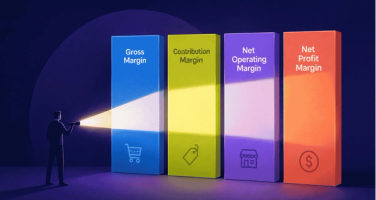
Tracking profit isn't the same as understanding it. This breaks down the four profit margins that fund overhead and growth, and why cash still runs out.
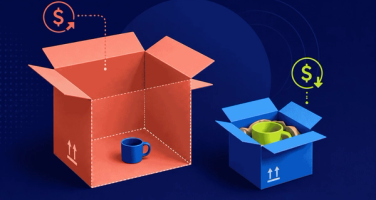
Shipping can eat up a quarter of ecommerce costs, so trimming it moves the needle on margins. This covers carrier rates, packaging, fees, and outsourcing.
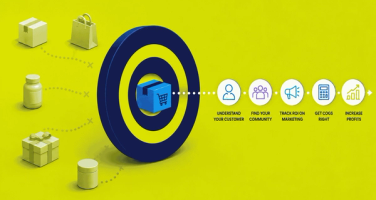
Chasing growth alone can leave a business exposed. This shares five strategies LedgerGurus has seen work firsthand, from staying niche to getting COGS right.
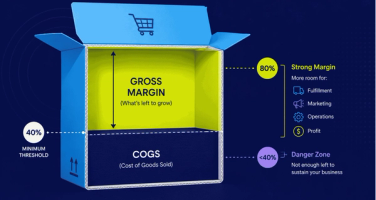
Knowing what counts as a healthy gross margin can make or break your business. This covers GAAP-correct definitions, benchmarks by model, and how to boost it.

A personal story about a botched shoe order makes the case that fulfillment and sales are directly linked, and what it means for inventory and loyalty.
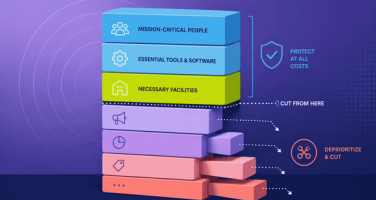
Unchecked costs eat into profit even during growth, not just survival mode. This covers a framework for deciding what to cut and protect, using income ratios.

A clear-eyed guide to analyzing cost structure without cutting blindly. This covers COGS vs. overhead, fixed vs. variable, seasonal costs, and what's critical.
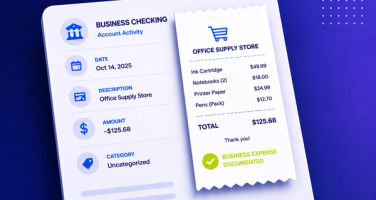
Keeping receipts feels tedious, but it protects your business. This covers four key reasons they matter, from tax justification to audit readiness, plus tools.
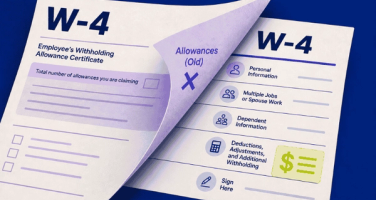
The 2020 W-4 replaced allowances with calculated withholding, a learning curve for all. This covers what changed and how to enter it into Gusto, ADP, and QBO.
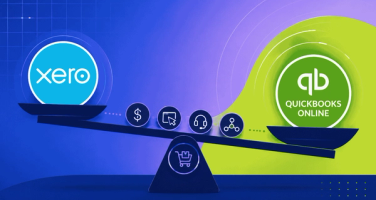
Xero vs. QuickBooks Online: the two cloud accounting platforms worth comparing once you've outgrown spreadsheets. This compares pricing, UX, support, and more.

Tradeshift Go adds virtual cards, approvals, and reporting on top of Amex business cards, no rewards traded away. This review covers use cases and dashboard.

Most podcasts either skip ecommerce or only skim finance. LedgerGurus' COO compiled a curated, alphabetical list of standout shows that cover both well.

How Brittany Brown, divorced at 26 with three kids and an Associate's Degree, went back to school, earned a Master's from BYU, and founded LedgerGurus in 2014.

Paper bills and shoebox receipts are out. This roundup covers five apps for automating bill pay and expense tracking, from Bill.com to Veem, and what each does best.

Brex Cash is a bank alternative for startups: no fees, no minimums, near-instant access to revenue. This covers its features, protections, and who it fits.
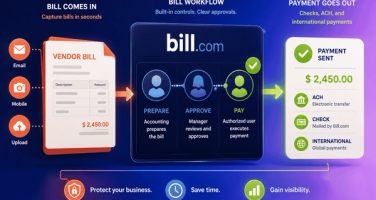
LedgerGurus reviews Bill.com as a certified partner: automated payments, built-in separation of duties, tight QBO integration, and who gets the most value.

LedgerGurus was named a 2022 Best Company to Work For (Small Companies) by Utah Business, its second year running. This covers the team's mission and values.

LedgerGurus was named a 2021 Best Company to Work For (Small Companies) by Utah Business. This covers the team's mission, values, and remote culture.
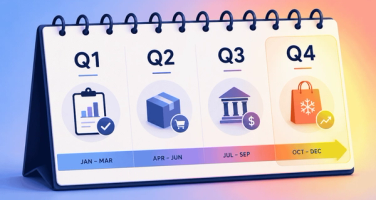
Getting Q4 right is a year-round job. This covers forecasting sales, inventory planning, cash flow, order timing, pricing, and the overlooked Q5 stretch.
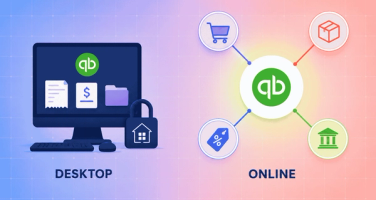
QuickBooks Desktop isn't disappearing, but new sales stopped in 2024. This covers what's changed, why QBO is the stronger bet, and how to decide on switching.
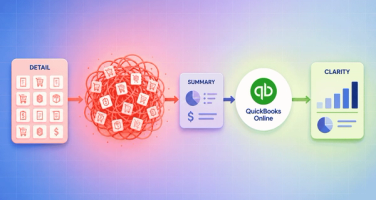
Hundreds of apps integrate with QuickBooks Online, but not every one is worth it. This covers when integrations help, and detailed vs. summary data.

Switching banks touches more than expected: payroll, ACH, merchant accounts. This 10-step checklist covers what to look for and how to update every system.
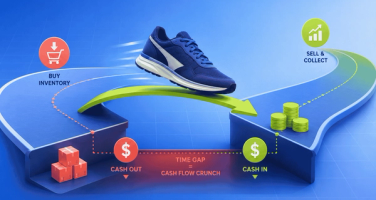
Shoe Dog is more than just Knight's story. It's a masterclass in cash flow survival. See how presales, early credit, and smart timing kept Nike alive.
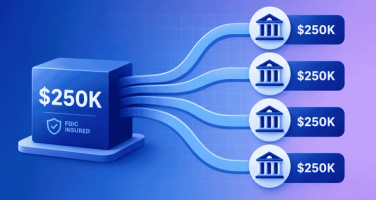
The $250K FDIC limit often falls short for growing businesses. Here's how to extend coverage with multiple banks, ownership categories, and CDARS/ICS.

Two paths: thoughtful moves like cutting costs and restructuring debt, or crisis mode like liquidating inventory and protecting owners when time's up.
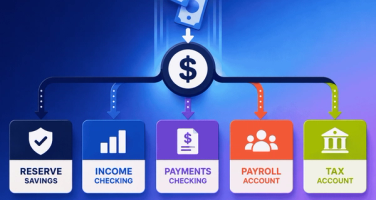
One bank account makes it hard to track cash flow. Learn a basic three-account structure, the Profit First method, and ecommerce-specific setups.
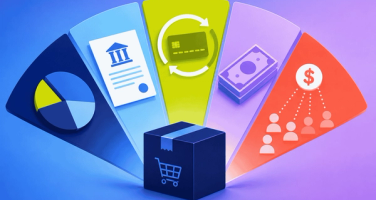
Ecommerce funding has shifted toward profitability over hype. This covers your funding options, what each really costs, and how to become fundable.
Packaging and shipping feel like product costs, but they land in expenses, not COGS. Stephen Brown draws the line at the warehouse: COGS covers producing the product and getting it there, and everything after that is an expense. Then he walks the P&L order, revenue minus COGS gives gross profit, minus sale related and overhead expenses gives operating income, and explains what a high gross profit with low operating income is telling you.

Sell for $20 with $14 in variable costs and you keep $6, a 30% contribution margin. That $6 is what funds payroll, rent, and software before anything becomes profit. Stephen Brown explains why your operating margin can never beat that number, what a contribution margin at or below zero means, and how to divide fixed costs by the ratio to find the revenue where you break even.

Nobody sends you an IEEPA tariff refund. You file for it, and the hardest part is getting into a government portal you have probably never touched. Stephen Brown walks through the process he ran for his own DTC brand: registering for the CBP ACE portal, the three fields that trip people up, adding bank details, pulling eligible entry numbers off your 7501 forms, and uploading a CSV through CAPE.

Your P&L shows profit and your bank account does not agree. The cash conversion cycle explains the gap: how many days your money sits trapped in inventory and receivables before it comes back. Stephen Brown walks the three components and the math, contrasts Dell and Costco running near zero or negative cycles, and explains why most ecommerce brands run at least 90 days and some carry 240 days of inventory.

Fulfillment is warehouse to customer: storage, labor, packaging, and shipping. Inbound shipping, tariffs, and fees are COGS, not fulfillment. The benchmark is 10 to 15% of revenue, and free shipping on every order with no minimum is the fastest way past it. Stephen Brown covers what drives the number up, from heavy products to warehouse location to manual picking, then the moves that bring it back down, including a dog crate redesign that cut costs and raised sales.

Gross margin runs 40% to 80% in ecommerce, and 40 is the floor rather than a target. Fulfillment takes 10 to 15%, merchant fees about 3%, and efficient advertising around 20%, which leaves a 40% brand with almost nothing to spend acquiring customers. Stephen Brown explains why resellers sit at the low end, why owning a brand buys pricing power, and four ways to move the number up.

Q4 preparation starts at the beginning of the year, not in September. Stephen Brown walks the finance side: validating the sales and marketing plan, checking it against the calendar, ordering inventory in late spring, and getting lines of credit expanded before you need them. He also makes the case that Q4 is for demand capture rather than demand creation, because acquiring new customers when everyone is bidding gets expensive.

Allocating 10% of every sale to a profit account does not make you profitable. The hard part is running the business on whatever lands in the operating expense account. Stephen Brown lays out the five accounts, the allocation schedule, and the CAPs, then explains where the method strains for ecommerce: a COGS allocation only replaces inventory sold, not growth, and Profit First's stance on debt collides with how sellers actually fund purchases.
Gross sales, net sales, COGS, cost of sales, fixed expenses, other income. Stephen Brown walks each layer of the P&L and what each subtraction leaves you: gross margin, contribution margin, net operating income, and finally net income. He closes on the thing that catches product businesses out, which is that profit is not cash. Buy inventory and cash drops even in a profitable month.

Charlie Munger called EBITDA BS earnings, and banks and buyers use it anyway. Stephen Brown breaks the acronym down letter by letter with ecommerce examples: interest on the loan you took to stock up for the holidays, depreciation on the warehouse forklift, amortization on a premium domain. QuickBooks Online will not calculate it for you, but it is the number that comes up when you seek funding or sell.

Interest income, a sublease, and YouTube ad revenue are all money coming in, and none of them tell you anything about how your business performs. That is why they sit below the line. Stephen Brown explains what belongs in other income and expenses, how private companies use the section strategically for owner add-backs, and how moving tax, depreciation, and amortization down there turns net operating income into EBITDA.

Banks do not want to lend to ecommerce brands, because inventory is not collateral they can liquidate, so sellers end up on expensive Amazon, Shopify, and PayPal loans. Stephen Brown applied for the AMEX business line of credit with two of his own businesses and had approval in about 20 minutes. Terms run 6 to 24 months, up to roughly $250,000, with no origination, annual, or prepayment fees.

Strong net operating income and weak net income means the problem is not your business, it is your financing or your taxes. Stephen Brown separates the two, walks the expense flow from COGS through cost of sales to overhead, and runs a $5 million example where $1 million of operating income becomes $500,000 after interest and taxes. Knowing which number is slipping tells you where to look.

COGS stops when the product is ready to ship. Cost of sales keeps going: the box and bubble wrap, the delivery, the Facebook ads that won the order, and the processor fee on every card swipe. Stephen Brown separates the two, then opens QuickBooks Online to show the carved out cost of sales section and a business where the two together eat almost 68% of revenue.

Gross revenue is the full bucket. Net revenue is what is left after discounts and returns drain some out and customer paid shipping adds some back. Stephen Brown shows the same numbers two ways, in Shopify's sales over time report and in QuickBooks Online, and flags where Shopify gets it wrong: sales tax is a liability, not a sale, so it should never sit inside your total sales.

Sellers routinely lump customer shipping into COGS and then wonder why their margins look wrong. Stephen Brown draws the line: COGS covers what it takes to get a product to your warehouse, and cost of sales picks up everything after that. He then works through gross margin, the 40% to 75% range most ecommerce businesses land in, and why that number has to cover marketing, software, and payroll.

Expensify handles the whole loop: employee submits, manager approves, money moves back. Smart Scanning pulls vendor, date, and amount off a photo and matches it to the imported card transaction, so nobody keys anything. Stephen Brown runs through ten reasons it works, including the QuickBooks Online sync that ends double entry, and the Expensify card that pays 1% back and prompts for receipts at the moment of purchase.

Before your employer can reimburse you through Expensify, you need a deposit-only bank account on your profile. Stephen Brown shows where it lives, under settings, account, payments, and walks through both ways to add one: entering your account details manually, or logging into your bank directly and selecting the account. Either way you finish with a short identity verification.

Expensify gives you four ways to log business mileage, three on mobile and one on the web. Stephen Brown demonstrates each: GPS tracking that runs while you drive, odometer readings you enter at both ends of a trip, straight manual distance entry, and a web based option that calculates the distance from a start and finish address. Pick whichever fits how you actually work.

Expensify takes receipts three ways: photographed in the mobile app, forwarded by email, or uploaded as a file in the web app. Stephen Brown demonstrates each one, then opens all three captured receipts to show that Expensify has already read the merchant, date, and total off every one of them. From there you build a report and submit it for approval without typing any of it in.

Shopify Capital lends a lump sum and takes repayment as a percentage of daily sales, with no credit check and no personal guarantee. Stephen Brown spoke to a Shopify Capital specialist, then walked through a real offer on a store he co-owns. The convenience has a price: roughly 9 to 15% effective APR against 7 to 9.5% on an SBA loan at the time, and faster repayment pushes the real rate higher.

The right bank changes as your business does. Stephen Brown maps three bank types onto three stages: neobanks or a big bank while you're small and want everything online, a regional bank or credit union once the cash cycle forces you to need a line of credit, and multiple banks once you're moving serious money internationally. He also makes the case that running more than one bank is normal, not a problem.

Neobanks are technology companies that partner with a smaller bank for the charter, and that shows in what they do well: integrations with QuickBooks, Xero, Shopify, and Amazon, portals that keep adding features, and read only access for your accountant, which many big banks still don't offer. Stephen Brown reviews Mercury, Novo, and Brex, and names what they lack: physical branches, consistent support, and lending.

There are thousands of regional banks and credit unions, and their portals and user permissions range from great to downright awful. Stephen Brown's screen is simple: if a bank will not integrate with QuickBooks, run away, and do not accept a portal without multi-user access. The reason to go local is lending, since terms and programs are more flexible, which makes lines of credit and loans easier to qualify for.

Every big bank connects to QuickBooks Online, so the portal and the user permissions decide which one works for your business. Stephen Brown reviews six big banks, calls out Capital One for offering no sub users at all and Bank of America for charging extra for access controls, and recommends Wells Fargo and Chase. Physical branches are where big banks shine, and their lending programs are rigid.

Brex Cash looks like a business bank account without being a bank. No monthly fees, no minimum, no charge for ACH or wires, and an instant revenue feature that advances unpaid marketplace payouts for 1.5% on Amazon or 1% elsewhere. Stephen Brown opens an account on camera, walks the dashboard, and lands on who it suits: small sellers, not businesses that need layered approvals.

Shoe Dog never uses the phrase cash cycle, but the whole book runs on it. Phil Knight wired money to Japan, waited for shoes to be made and shipped, then waited again to distribute and get paid, all while doubling sales every year with every dollar tied up in inventory. Stephen Brown maps that onto today's online sellers and covers the financing options Knight didn't have, from credit cards to factoring to venture money.

A brand new business has no credit history, which makes a traditional business card hard to get. Brex underwrites on bank balances and financial activity instead, with no personal guarantee and no personal credit check. Stephen Brown covers the five things he likes as an accountant: qualification, the points system, an admin portal with real expense controls, virtual cards and receipt capture for end users, and a QuickBooks Online integration he rates among the best in fintech.

An asset based valuation undersells an ecommerce brand, because manufacturing and fulfillment are outsourced and there is little to count. The income approach is the most accurate, and it runs on EBITDA (earnings before interest, taxes, depreciation, and amortization): two to four times on a conservative view, four to eight on a liberal one. Stephen Brown covers the factors that decide where in that range you land, and why what a buyer will pay is the number that counts.

Classify a worker wrong and you end up in trouble with the IRS. The IRS uses three tests to decide whether someone is a 1099 independent contractor or a W-2 employee: behavioral control, financial control, and type of relationship. Stephen Brown runs three common ecommerce roles through all three. A marketing specialist usually lands on 1099, a warehouse worker is very hard to classify as anything but W-2, and an IT specialist can easily be 1099. His closing rule: if it leans W-2, make them W-2.

Stephen Brown walks a seven-worksheet budget template built for ecommerce, from channel-level revenue through COGS, fulfillment, merchant fees, and payroll. His method for a first budget is deliberately simple: take last year's numbers and apply a growth uplift. He spends most of the time on revenue, because everything downstream depends on it, and closes on the part most people skip, comparing actuals to budget every month and adjusting.

A business has cash flowing in and out on cycles that a bank balance won't tell you about, which is why budgeting is a control rather than a chore. Stephen Brown covers why to budget, why a spreadsheet beats a third-party tool when you're starting, how to structure the model around your profit and loss, and what to actually do with the variance each month. His recurring point is that the budget is a financial model you keep tweaking.

A credit card statement shows when you spent, how much, and with whom. It doesn't show what you bought, and that missing detail is what a tax auditor asks about. Stephen Brown covers four reasons receipts matter: proving deductibility, making coding easier, approving employee and card spend, and being ready for a financial audit. He closes with the three categories of app that capture receipts so you don't need a filing cabinet.

The minimum salary for exempt employees jumped to $684 a week in 2020, and salary alone was never the whole test. Stephen Brown walks the three conditions an employee has to meet, fixed salary, the minimum amount, and the duties test that most companies stretch, then explains what misclassification costs: unpaid time and a half owed to the employee, plus back taxes, penalties, and interest owed to the government.

Writing one check costs 20 to 30 minutes once you count the envelope, the stamp, and recording it in your books. Bill.com pulls the money, cuts the check, mails it, and shows you when it cleared. The bigger reason to use it is control: separate roles for who prepares a bill, who approves it, and who pays, so handing off AP does not mean handing over the checkbook.

A $60,000 invoice arrived with the right company name, the right address, the right EIN. Only the pay-to name and email had changed. Rachel Wright caught it. Ecommerce makes this worse than most, because the biggest payments go overseas for inventory and there is no recourse once a wire clears. She and Stephen Brown walk through the attempts they have seen and the controls that stop them.

Parker was weeks from a $90 million acquisition when it filed for Chapter 7, leaving customers like Stephen Brown unable to work out what they owed or to whom. He and Stacy Walker use that failure to frame four risks worth checking before you route money through any fintech: vendor, financial, operational, and strategic. They also cover why most fintechs sit on top of the same handful of partner banks, and why that concentration is worth worrying about.

A non-developer can spin up a working internal tool in an afternoon, which has operators asking why they pay for software that does 80% of what they need. Stephen Brown spent twenty years in enterprise software, and he walks Stacy Walker through what that question misses: ongoing maintenance, the builder who might leave, security and compliance exposure, and the real cost once tokens are counted. He closes with a decision framework and argues the better question is what you buy next.

AI companies run on venture capital, which means the price you pay is not the cost of the product. Stephen Brown walks Stacy Walker through what happens when that equalizes: base subscriptions plus token consumption, already visible in Claude's limits, GitHub Copilot's June shift, and Gorgias. He covers what tokens are, why GPU compute changed the economics, and why matching cheaper models to simpler work is about to matter. He finishes with how to spot the creep before it compounds.

Guest: Samir Shergill, CEO and co-founder of Highbeam. A software engineer by trade, he spent years at Microsoft and then at ad tech startup AppNexus before acting as an informal CFO for friends' consumer brands. That work led him to build Highbeam, a banking and cash management platform built specifically for ecommerce.

The big beautiful bill changed what ecommerce sellers can write off and when. Lauren Maillard walks Stephen Brown through bonus depreciation and why it helps with a forklift but not a warehouse, full expensing for research and development, the 20% qualified business income deduction, and the new deductions on overtime and car loan interest. She also explains why your books and your tax return can legitimately disagree, and why social media tax advice fails IRS scrutiny.

Guest: Bret Mitchell, EOS Implementer at EOS Worldwide. He started his career consulting Fortune 500 companies in New York, later sat on the leadership team at Purple and held the chief merchandising officer seat at Overstock.com, and now helps leadership teams across industries implement EOS.

The Supreme Court ruled the IEEPA tariff authority unconstitutional, and Customs and Border Protection has built a system called CAPE to process refunds. Stephen Brown walks Stacy Walker through what it takes: an ACE portal account, bank details, eligible entry numbers, and a CSV upload. Phase one went live April 20 and payment runs 60 to 90 days. He also covers how to book the money once it lands, and why the refund trolls from the PPP era will show up again.

Stephen Brown and Preston Alder have spent three years learning debt the hard way at Solé Toscana, including personal loans that took three years to repay. They cover why merchant cash advance pricing hides the real APR, why the paperwork-heavy loans are usually the good ones, and why they will take debt for inventory but not for unproven marketing. They finish with the cash flow levers most sellers overlook, from card float to renegotiated supplier terms.

LedgerGurus benchmarked its own monthly accounting clients and sorted them into four quadrants by growth and profitability. Stephen Brown and Stacy Walker walk through what separated the 44% that were growing and profitable: 66% gross margins, 7.5% of revenue on ads, and a wholesale channel in every top quartile brand. They also cover why the low ad spend surprised them, why cash balances track profit rather than growth, and the three levers that actually move profit.

Matthew Kidman came out of the 2000s Florida real estate market with tens of thousands in credit card debt and two years of splitting entrees to pay it off. House of Joppa has never taken any. He tells Stephen Brown how that works across 400 to 500 SKUs and 50 suppliers: deliberately lean inventory, staged supplier payments, stockouts treated as acceptable, and cash held as a constraint rather than a problem to be solved.

Mark Lupton returns to argue that business value isn't something you find out at a sale. He and Stephen Brown work through judging your own business the way an acquirer would: opportunity on one side, risk on the other, with proof and protection as the evidence that bridges them. They also apply Porter's Five Forces to channel concentration, explain why growth that outruns your own cash flow costs you at valuation, and separate intrinsic value from market value.
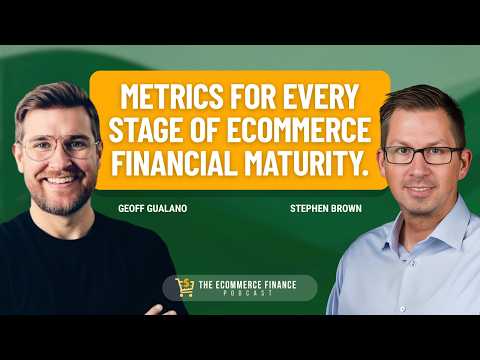
Geoff Gualano returns to walk the accounting maturity model again with Stephen Brown, this time asking what you should actually measure at each level. Tax compliance, then understanding the business, then forecasting, then investor ready financials. They cover why most sellers record revenue wrong from day one, the income ratios worth benchmarking, the cash conversion cycle, and why accurate level two data is what makes level three possible at all.

Nate Littlewood built an indoor gardening brand to seven figures before becoming a fractional CFO, and he says the problem isn't a shortage of data. It's what he calls the context vacuum: founders who will compare CPCs with a peer but have no idea whether a 40% gross margin is healthy. He and Stephen Brown cover three founder archetypes and how each gets stuck, the four phases of a founder's relationship with finance, and the filters that turn thirty ideas into three.

Stacy Walker talks to eight to fifteen brands a week, and reckons only about one in five knows its true bottom line. On gross margin she puts it nearer one in ten. She and Stephen Brown walk through all four margins: what each one measures, why cost of goods sold gets stuffed with things that belong in cost of sales, and why pushing interest and tax below the line shows the real efficiency of the business. They close on which margin to fix first.

Stephen Brown and Preston Alder run through ten predictions for 2026, arguing we've hit peak tariffs, that rate cuts won't reach ecommerce lenders, and that AI commerce is the thing to be most bullish about. They debate whether AI shopping creates new demand or just moves it, why both legs of a K-shaped economy now want value, and where small brands can still win. They close with a bonus call that the real bubble is private equity rather than AI.

A year on from the first episode, Stephen Brown grades his own 2025 predictions with Kelley Birrell holding him to it. Ecommerce retail share hit 16.3%, matching the 2020 peak, which he scores an A. Tariffs get a C, because he saw them coming but nothing like the scale. AI gets an A, but for reasons he didn't anticipate. He also covers the de minimis wind-down, why specialist lenders never passed on rate cuts, and what still hasn't dented Meta and Amazon.

Sell one unit into the UK and you owe VAT from that first sale, with no threshold to hide behind. Oliver Blackmore of Elver Ecommerce Accountants walks Stephen Brown through UK registration and why it now takes months, the EORI number that keeps your goods out of customs limbo, how Amazon's marketplace rules change who pays, and how postponing import VAT protects your cash. He closes with the EU, GST, and the end of drop shipping.
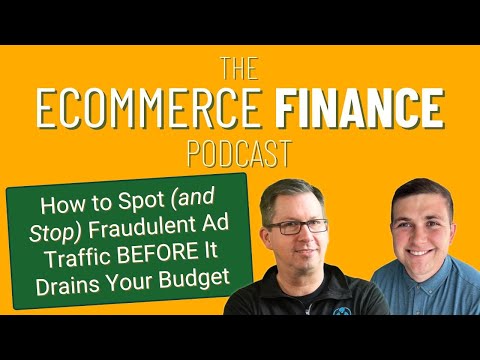
Between three and four and a half percent of ad spend goes to bot traffic, click farms, and clicks from outside your targeting geography, according to Dash.fi's data across a hundred clients. Kurt Bell tells Stephen Brown why Meta and Google have little incentive to fix it, why chasing refunds works less well than excluding bad IPs upfront, and how brands are diversifying away from the two big platforms. He also makes the case for card terms as an underused cash flow lever.

Most founders can tell you what they want for the business. Mark Lupton of Greenhouse Business Advisors asks what they want from it, and says the gap between those two answers is where strategy falls apart. He and Stephen Brown work backward from a ten year picture to three year enterprise value drivers, then to the annual budget and what sits below the P&L. He closes on why a merchant cash advance works as a bridge rather than growth capital.

Chris Hondl co-founded Finale Inventory in 2014, bootstrapped it without outside capital, and sold it to Descartes in 2025. He and Stephen Brown cover what a decade of watching sellers taught him: why standard operating procedures matter more than software, why an ERP rarely fixes a discipline problem, and where the line actually sits, closer to $50 million than $5 million. He also lays out the venture capital math that made bootstrapping the better bet.

Katana's customer base saw cost of goods sold jump 103% in a single quarter as businesses front-ran tariffs. Co-CEO Ben Hussey walks Stephen Brown through what the data shows: automotive buying a year of inventory at once, food and beverage ordering 46% above the prior quarter, raw material costs up nearly 50% in three months. They also cover why almost nobody is actually relocating manufacturing, and why the arbitrage era of ecommerce is finished.

Thread did what the first Trump administration seemed to want. They moved a third of production to Vietnam and a third to Cambodia, then watched Liberation Day hit those countries at 46% and 49%. Ryan King, their CFO, tells Stephen Brown what happened next: eating the cost since April, why wholesale commitments make price changes slow, and why US manufacturers said they couldn't do the work even if they wanted to. He also explains what it actually takes to stand up a new factory.

Banks won't lend to ecommerce brands, and merchant cash advances charge 40 to 60%. Alec Koenig built Settle in that gap. He tells Stephen Brown why business credit reports are useless for underwriting, how plugging into QuickBooks and inventory data fills the hole, and what makes a brand lendable: ratios above one, clean accrual books, and contribution margin over 15%. They also dig into why cash flow rather than profit is the real constraint on a growing product business.

Stephen Brown and Preston Alder spent their first nine months at Solé Toscana throwing money at growth, and it did not work. Then they read Profit First. They walk through the five accounts, the two they added for inventory and sales tax, and what changed when Preston took ads in house under a fixed spending limit. They also cover where the model breaks down for an inventory business, and how forecasting and smart debt fill the gap.

Banks won't lend to ecommerce brands and merchant cash advances charge 27% or more. Joe May walks Stephen Brown through a vehicle most sellers have never considered: equity crowdfunding under Reg CF, which lets you raise up to $5 million from the customers who already buy your product. He covers the Form C disclosures, when audited financials kick in, how an SPV protects your cap table, and why he pairs every raise with a 506C for accredited investors.
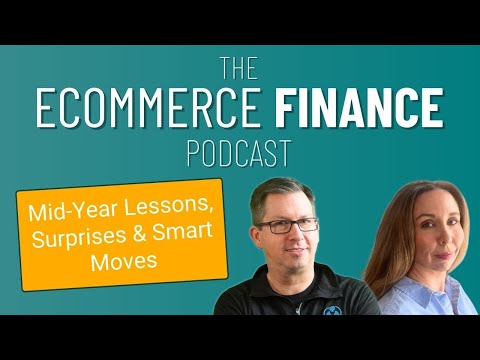
Six months on from the ten predictions in episode one, Stephen Brown and Lauren Maillard check the scoreboard. Tariffs landed harder than anyone expected, the de minimis rule is gone with a global phase-out by 2027, and the dollar is weakening on top of it all. The surprise nobody predicted is that AI stopped being a cost-saving tool and became a sales channel. Stephen also explains the four month gap between episodes.

The Amazon roll-up era is over, and 2023 and 2024 were the slowest M&A years in fifteen. Josh Robbins of Premara Group tells Stephen Brown what's changing: private equity sitting on capital it has to deploy, and buyers who now want profit rather than growth at any cost. He covers the numbers that make a brand attractive, roughly 20% growth and 15 to 20% EBITDA, and the risks that sink deals. Amazon-only sellers cap out around three times EBITDA.
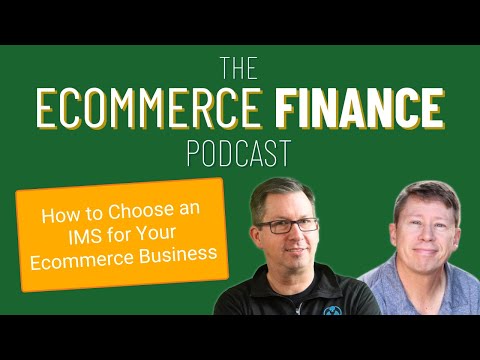
Scott Scharf tracks around 60 inventory management systems on a 300-field comparison matrix, and his first piece of advice is to stop. Write down your requirements before you watch a single demo, or you'll just remember the last one you saw. He and Stephen Brown cover implementation budgets, realistic timelines, why you need an operations manager before you need the software, and when an ERP like NetSuite or Odoo is overkill.

Inventory accounting is hard because inventory operations are hard, and every step between the two has a failure point. Brittany Brown explains why expensing a purchase in the month you make it wrecks every month that follows, how inventory moves from the balance sheet to COGS as it sells, and what landed cost actually includes. Stephen Brown shows the same three months modelled on cash and accrual, then reads gross margin across Nike, Warby Parker, and Solo Brands to show what good looks like.

A tariff lands on your customs value, which is most of your cost of goods sold. Stephen Brown works the arithmetic with Kelley Birrell: a 10% tariff costs two points of margin on a 20% COGS business and six points on a 60% one. The harder question is whether to absorb it, pass it on, or split it. Passing it on runs into price elasticity, and he walks the tariff impact calculator through three scenarios to show why raising prices can land you barely ahead of absorbing the cost.

Tariff policy moved so fast during this recording week that Kelley Birrell opens with a note on what has already changed since. Then Stephen Brown and Bryce Judy of Tarifflo cover the mechanics that don't move: how HTS classification works, why only about 70% of goods enter under the correct code, the difference between formal, informal, and type 86 entries, and duty drawback. They also cover the de minimis change ending duty free treatment for low value shipments from China.

Fees used to take 25 to 30% of an Amazon sale. Liz Adamson now sees 45 to 60% going back to Amazon once advertising, FBA, and referral fees are counted. She and Stephen Brown work through each category: rising cost per click, the reimbursement change that pays cost of goods instead of retail, inbound placement fees, and the referral cuts Amazon made to compete with Temu. They finish on what it now takes to launch, and why Chinese sellers passing 50% changes the strategy.

The legacy integration between Shopify Plus and Avalara shuts off on April 30, 2025, leaving roughly 6,300 businesses with a decision to make. Mac Wright explains what changed and what the migration involves. Then he and Stephen Brown pull apart what a tax engine actually does on every order: where, who, and what. One street in Aurora, Colorado is taxed at 4% on one side and 7.5% on the other.

Recorded on inauguration day, with TikTok back online but still off the app store. Stephen Brown and Michelle Barnum Smith set the ban aside and look at what TikTok Shop actually changed. Michelle timed discovery to checkout at 15 seconds against 90 on Instagram. She covers what makes a product sell there, the fee structure against Amazon's, and the affiliate model that pays creators on results instead of follower count.

Most brands treat accounting as a tax chore and stop there. Stephen Brown and Geoff Gualano of A2X map four phases of maturity: accounting as necessary, accounting as visibility into what's actually profitable, accounting as strategic forecasting, and finally accounting clean enough for a lender or a buyer. Between them they cover a business six months from running out of cash, an audit that changed a $30 million seller's mind, and an inventory adjustment that cost millions in valuation.

Stephen Brown and Preston Alder co-own Solé Toscana, bought in 2022 at what Stephen calls the worst possible time to buy an ecommerce business. They burned cash for a year, got profit religion, and built three things: an annual budget, a 12 month cash flow with an inventory purchase plan, and a 13 week tactical forecast. The result was roughly 40% growth in 2024 alongside higher profitability. They cover what each does, who builds which part, and when.
Stephen Brown opens the Ecommerce Finance Podcast with ten trends heading into 2025 and what each one does to your numbers. Ecommerce is back above its COVID peak as a share of retail, which supports a bullish forecast. Marketing efficiency is still broken four years after iOS 14.5. Tariffs, the de minimis rule, a possible TikTok ban, and a paused port strike all carry real cost implications. Kelley Birrell joins for the conversation.

Stephen Brown has listened to podcasts for two decades and kept running into the same gap: plenty of ecommerce shows, very little financial depth. This trailer explains what he plans to do about it. He introduces himself, LedgerGurus, and Solé Toscana, and sets the premise that everything in a business carries a financial impact, which puts every topic on the table.

No slides. Stephen Brown opens the dashboard. LedgerGurus gives its monthly accounting clients and walks the six metrics on it, using data from the brand he co-owns. What each benchmark is, where it came from, and what a spike actually means: an inventory adjustment, a tariff, a Black Friday that crossed into December. Then payroll, interest, contribution margin, and the cash conversion cycle.
Merchant cash advances quote a fee, not a rate. A 10% fee repaid over four months is closer to 42% APR, and most brands never do that math. Stephen Brown and David Segal of Highbeam cover what LedgerGurus customer data shows about margins and cash, why inventory problems are operational rather than financial, how to negotiate supplier terms before borrowing, and where AI is producing real results in finance work.

You track revenue but still wonder if your numbers are normal. LedgerGurus benchmarked around 90 of its own ecommerce clients: 44% are growing and profitable, median gross margin sits at 63.7%, and ad spend runs just 8.1% of revenue. Stephen Brown and Stacy Walker break down the four performance quadrants, why wholesale dilutes ad spend, which costs to attack first, and how to read a benchmark report without jumping to the wrong conclusions.

There is a mathematical limit to how fast an inventory business can grow on its own profits, and most owners have never calculated theirs. Stephen Brown walks through the cash conversion cycle, turns it into a working capital intensity ratio, and divides profit margin by that ratio to produce the ceiling. For a typical brand with a 5% net margin and a 150 day cycle, that ceiling lands around 12%. He then covers the three levers that raise it.

Ten calls for the year ahead, delivered in 25 minutes. Stephen Brown argues tariffs have peaked, interest rates split into winners and losers depending on what your debt is tied to, and inflation stays sticky enough that annual price reviews are now table stakes. His most bullish call is AI: shopping, checkout, and eventually advertising. Lauren Maillard covers the tax provisions worth planning around.

A 30% tariff turns a $400,000 profit into $178,000 before you do anything about it. Stephen Brown runs the Tariff Impact Calculator live, then lays out target ranges for every major cost category and works through where to cut. Discretionary spending goes first, payroll gets the three O's treatment, and the contribution margin triad of COGS, fulfillment, and advertising takes longer but moves the most.

A month after the global tariff announcement, most of the world sits at a 10% pause and China does not. Stephen Brown runs the numbers on what a 145% tariff does to an efficient brand, then works through the decisions in front of sellers: hold the order, use a bonded warehouse, or import at a loss. He covers how to game plan the rest of the world by trade balance, and how to spread the cost across manufacturers, customers, and wholesale prices.

A purchase order from Whole Foods or Walmart sets off labels, packaging, freight bills, work orders, and 3PL transfers, all funded before a dollar comes back. Pete from Settle walks through how the platform ties that chain together: a universal product catalog, POs with estimated landed cost, three-way matching, monthly COGS by SKU and location, bill pay, and a working capital line. Stephen Brown handles the accounting questions throughout.

Part three of the financial statements workshop series. Stephen Brown opens the real books of Solé Toscana, the brand he co-owns, and walks line by line through its balance sheet: the holding accounts, the goodwill from the acquisition, the partner loans distorting his ratios. Then the quick ratio, debt to assets, and the cash conversion cycle, before showing how the cash flow statement explains the gap between profit and cash.

Free returns crush margins, and charging for returns crushes conversion. Stephen Brown hosts Ty Robbins of Redo, a Shopify app that covers your return shipping labels when customers opt in at checkout for about $2, then rolls returns, support ticketing, order tracking, and package protection into one free platform. Ty demos the Popflex flow, explains how Redo earns the spread on unused labels, and shares results: $500,000 retained in 30 days and a 12.8% drop in refund rate.

Your P&L already says where your business is stuck; most owners just can't read it yet. In part two of the workshop series, Stephen Brown opens Sole Toscana's live QuickBooks Online file and walks the statement top to bottom, then turns every line into a percentage of income: gross margin, contribution margin, fulfillment at 14.5%, advertising at 36%. He shows the Grow dashboards LedgerGurus is rolling out to clients and the year-over-year view that took the brand from a loss to positive income.

Cash accounting shows a loss one month and a windfall the next, and neither tells you if you're profitable. In part one of a three-part workshop, Stephen Brown explains accrual accounting for ecommerce: why wholesale deposits aren't revenue yet, where inventory sits before it becomes COGS, how the three financial statements connect, and the three principles behind it all. He walks through real numbers from Sole Toscana, the skincare brand LedgerGurus co-owns, inside QuickBooks Online.

Six years after Wayfair, the grace period is over. States are buying seller lists, pulling data from marketplaces, and auditing back to 2018. Lauren Maillard walks through the business activity questionnaires arriving from Illinois and Washington, the two ways to get compliant, and how to decide between them. Stephen Brown fields a heavy stream of audience questions on nexus, drop shipping, exemption certificates, and the new retail delivery fees.

Venture capital available to consumer products fell from around $5 billion to $150 million in three years, and banks were never enthusiastic about inventory as collateral. Greg Russell of BRG Growth Partners walks through what replaced it: short-term secured lenders, term lending, and the fixed fee products that sit on every Shopify and Amazon dashboard. Stephen Brown runs the actual math on three of them live, and an 8% fee turns into 39% APR.
Duckweed grows in the dark as well as the light, which is why it outgrows everything around it. Richard Gaffen of Common Thread Collective uses that as the test for a brand: can you grow in bad times as well as good? He walks through the ten metrics behind CTC's diagnostic toolkit, the benchmark for each, and how they combine into a single growth score, using his own brand's results as the worked example.

Facebook grades its own homework: it samples the 25% who allow tracking and reports a ROAS built to keep your budget on its platform. Stephen Brown shares how LedgerGurus bought Sole Toscana as a sandbox, watched new customer ROAS sit at 0.3, and used Triple Whale to climb to 1.16. Grant from Triple Whale walks through the pixel, the post-purchase survey that caught $40,000 in unclicked Facebook revenue, and the cost settings that turn ad data into profit per ad.

The follow-up to part one, covering what happens when a buyer shows up. Heather Allen and Steve DeWitt of Tanner walk through the due diligence checklist, why you should size your own exposure before the buyer does, and how asset sales and stock sales split the tax bill differently for each side. Then the elections worth knowing about: the cash method, bonus depreciation, PTET, and the employee retention credit.

Entity choice looks like paperwork until it costs you ten million dollars. Heather Allen and Steve DeWitt of Tanner walk through LLCs, S corps, and C corps: how each is taxed, how owners actually get paid, and what happens when a buyer arrives. Along the way, why an S election can permanently disqualify you from the section 1202 exclusion, and how remote employees and 3PL inventory create filing obligations you never planned for.
Cost of goods sold is your single biggest expense, and it's the one number spreadsheets can't keep honest. Brittany Brown makes the case for an inventory management system, from Finale's $75 entry point to the pallet her own brand lost for a year, then Mike Kroger demos the full cycle live: stock by bin, sales velocity reordering that stops overbuying, and the sync that lands bills, inventory value, and COGS in QuickBooks automatically.
 Brittany BrownChief Executive Officer
 Anna YoungDirector of Learning and Initiatives
 Lauren MaillardDirector of Service Delivery
We use cookies to improve your experience and to measure how our site and ads perform.Read our Cookie Policy