
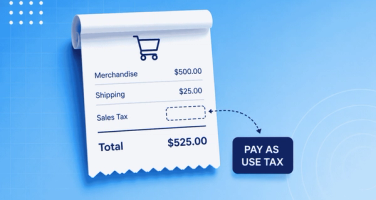
Article
Use Tax for Ecommerce Businesses: The 2 Ways It Catches Sellers Off Guard
Use tax is sales tax's lesser-known sibling, owed on untaxed vendor purchases and inventory used internally. This covers both scenarios, and what to check.

LedgerGurus expert
Marketing Manager
Turns ecommerce accounting expertise into clear, easy-to-follow content
With six years of experience leading marketing efforts at LedgerGurus, Kelley Birrell specializes in understanding the challenges ecommerce business owners face and connecting them with the information and solutions they need. She leads the company's marketing strategy, including educational content, campaigns, website development, and helping the right clients find LedgerGurus.
Over the years, Kelley has learned that most ecommerce sellers are great at running their businesses, but understanding their finances doesn't always come naturally. They often know their sales numbers but aren't sure whether they're actually making money or even what questions they should be asking.
She's passionate about helping sellers connect the dots between what's happening in their businesses and what their numbers are telling them. She's especially proud of the educational resources LedgerGurus has built over the years and recently led a complete website rebuild focused on helping ecommerce sellers find solutions to their biggest challenges.
I've learned that ecommerce sellers often know something isn't quite right with their finances, but they don't necessarily know what's causing the problem or even what questions to ask. A big part of my job is figuring out what they're struggling with and helping them find answers in language that actually makes sense to them.
I'm really proud of the educational resources we've built at LedgerGurus over the years. We've created a huge library of videos, articles, and other resources that help ecommerce sellers understand their finances, whether they're ready to hire us or not. I'm also excited about our website rebuild, where we're completely rethinking how we organize information to make it easier for sellers to find what they need.
Good marketing isn't just about getting people's attention. It's about understanding what they need, earning their trust, and helping them make good decisions. I think the best marketing happens when you're genuinely trying to help people, even when they may never become customers.
My dad was in the military when I was a kid, and we lived in Germany when I was a toddler and in Saudi Arabia when I was a young teenager. Our family had the very cool opportunity to travel extensively, and I've been to countries in Europe, Africa, and Asia. The world is a beautiful place full of beautiful people.
Use tax is sales tax's lesser-known sibling, owed on untaxed vendor purchases and inventory used internally. This covers both scenarios, and what to check.

Streamlined Sales Tax lets qualifying remote sellers get registration, calculation, and filing free across 24 states. This covers who qualifies, and limits.

The Shopify sales tax report is dense enough that most sellers need a system to make sense of it. This covers key columns and building a pivot table by state.

Shopify isn't a marketplace facilitator, so collecting sales tax correctly is entirely on you. This covers nexus, registration, and taxability before setup.

Sales taxability comes down to three questions: where, who, and what. This breaks each down with examples, from Colorado's rates to Massachusetts's cutoff.
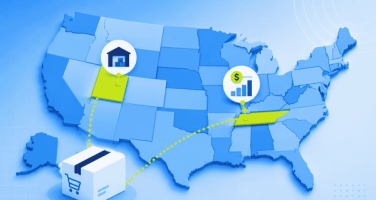
Sales tax nexus comes down to two main triggers: people or property in a state, or crossing its economic threshold. This covers both, plus Amazon and Shopify.
A Philly-area Amazon seller got hit with a $1.6M sales tax bill from California. This candid piece covers why the debt compounds quietly, and what to do.
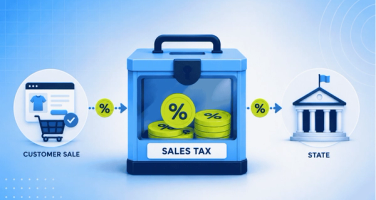
Sales tax isn't income or expense, it's a liability you hold for the state. This breaks down the three stages of sales tax accounting and the journal entries.

Sales tax holiday rules reset every cycle: participating states, qualifying items, and price caps all change. This covers four types with 2026 dates and codes.

In dropshipping, who collects sales tax comes down to nexus, not who owns the inventory. This covers three scenarios, and the SST/MTC resale certificates.

Amazon collects sales tax for sellers, so most Amazon-only sellers have zero collection liability, not zero responsibility. This covers filing and FBA nexus.
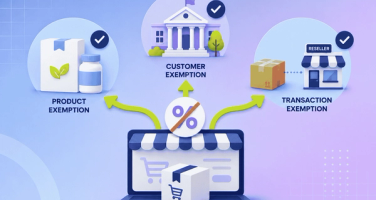
Sales tax exemptions work both ways: on selling, and on buying with the right paperwork. This breaks down three exemption types, certificates, and forms.

With over 13,000 sales tax jurisdictions and states more aggressive since Wayfair, sellers have a lot to track. This covers 9 concrete compliance challenges.

Sales tax audits have picked up sharply as states get more aggressive. This covers what triggers one, what to expect, and why acting first is cheaper.
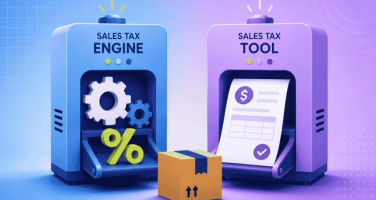
Every state sets its own sales tax rules, exactly the complexity sales tax software absorbs. This compares Avalara, TaxJar, Sovos, and Shopify Tax on pricing.
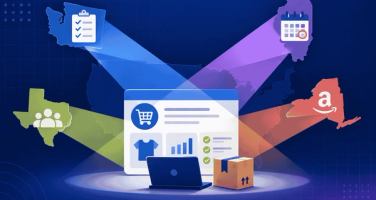
States are getting more coordinated chasing sales tax revenue, sharing data and pulling records from Amazon. This covers five tactics, and how to stay ahead.
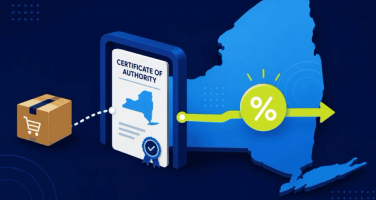
New York is fully committed to collecting sales tax from out-of-state sellers. This covers its unusual quarters, the Certificate of Authority, and filing forms.

If you run a marketplace, sales tax law puts most of the collection burden on you, not your sellers. This covers what facilitator laws require, and nexus.
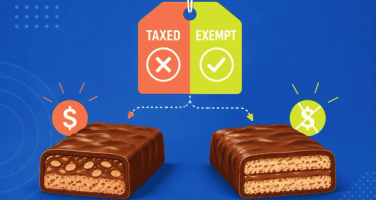
States tax candy oddly. Add flour, and several states stop calling it candy at all. Using Minnesota's Twix-vs-Snickers rule, this covers the wrinkles behind it.
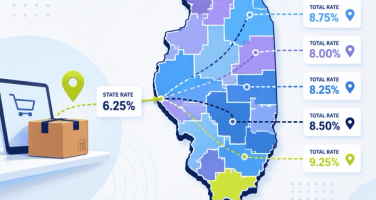
Since 2021, remote sellers in Illinois must collect destination-based local rates, not just the flat 6.25%. This explains the ROT switch and ST-1/ST-2 forms.
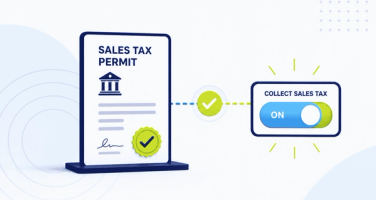
A business needs a sales tax permit before it can legally start collecting, not after. This covers finding registration pages, and the taxable activity date.

A supplier with nexus must charge you sales tax unless you hand them a resale certificate. This covers how to get one, the SST/MTC shortcuts, and exceptions.
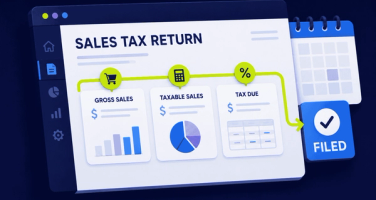
Filing sales tax online doesn't have to be intimidating. This guide walks sellers through confirming nexus, filing frequency, and calculating what's owed.

LedgerGurus' hub for ecommerce sales tax pulls together guides, videos, and downloads on nexus, taxability, registration, filing, audits, and catching up.
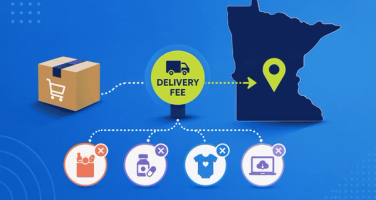
Minnesota now charges a flat $0.50 retail delivery fee on deliveries of $100+, for sellers over $1M in sales. This covers who owes it and what's exempt.

Colorado's sales tax system is famously messy, with dozens of home rule cities setting their own rates. This explains SUTS, the state's single-portal fix.

Colorado's Retail Delivery Fee has climbed twice since 2022. This covers who owes it, marketplace sales, account setup, and how it compares to Minnesota's.

Falling behind on sales tax is common, and the fix depends on exactly what kind of behind you are. This covers a five-step fix, and two moves that backfire.

California stacks state, county, city, and district sales tax rates. This guides sellers through nexus, taxability, registration, and filing once you're set.

A sales tax pre-audit questionnaire signals a state already suspects you owe back taxes. This explains why states send them, and the risk of ignoring one.
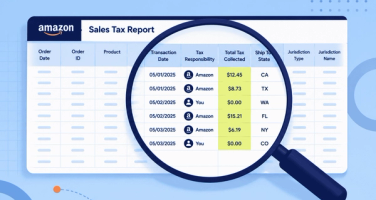
Amazon handles sales tax remittance in most states, but its sales tax report can be dense. This covers where to find it, key columns, and a pivot table setup.

Most sellers' product costs are wrong, often by 20-35 points, usually from outdated numbers or buy cost instead of landed cost. This covers why, and the fix.
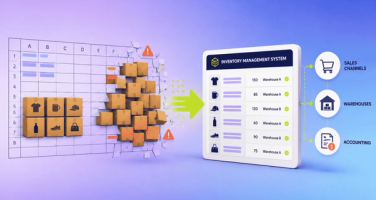
Spreadsheets work for inventory until SKU count grows and cracks show. This covers the roadblocks a manual approach creates, and where Finale Inventory fits.
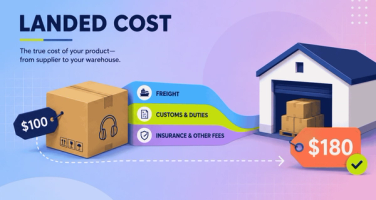
Landed cost is the full price of getting product to your warehouse, not just the invoice. This covers each component with an example, plus how to calculate it.

A consistent SKU naming system pays for itself once your catalog grows. This covers what a SKU is, why it matters, and a 3-step formula for building one.

Getting COGS right starts with a product cost catalog, an accurate list of what each SKU costs you. This covers building one for three types, plus landed cost.
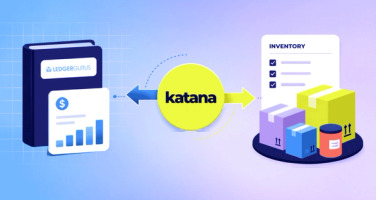
LedgerGurus and Katana Cloud Inventory are partnering to connect accounting and inventory more tightly, with bi-directional QBO syncing and joint resources.
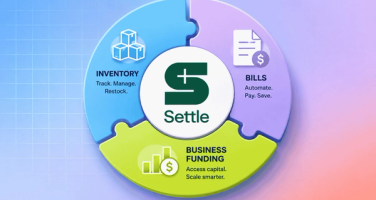
A recap of the LedgerGurus/Settle webinar on inventory, bill payments, and working capital for growing brands, covering AP automation and funding options.
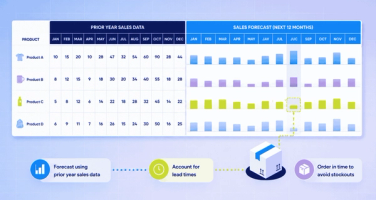
A well-built Excel template can handle forecasting fine for smaller SKU counts. This walks through LedgerGurus' free template and each of its key sections.
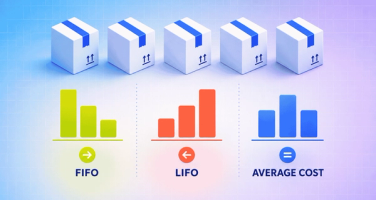
Inventory costing methods, Average Cost, FIFO, and LIFO, produce meaningfully different COGS and profit from the same purchases. This walks through an example.
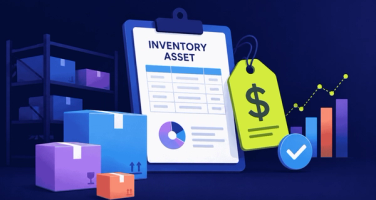
Inventory is usually the largest asset on the balance sheet, and getting it wrong distorts everything downstream. This covers what counts as inventory and more.
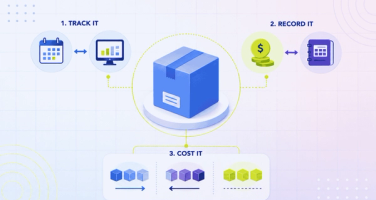
Good inventory accounting comes down to three linked decisions: tracking method, cash vs. accrual, and valuation. This covers each, plus how to choose.
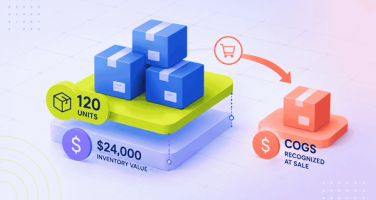
Sellers run into trouble recording costs at purchase instead of sale. This covers cost vs. count, the formulas for inventory and COGS, and when to get help.

Implementing an IMS can go badly in predictable ways, like skipping planning or migrating messy data. This covers 10 mistakes, benefits, and tool picks.

Overselling, promising stock you don't have, can tank your Amazon rating in a single order. This covers seven common causes, costs, and 14 prevention tips.
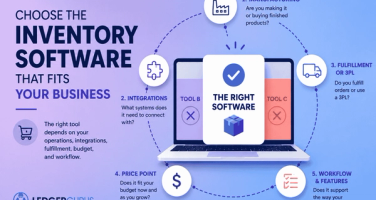
Retailers lose a staggering amount to out-of-stocks, overstocks, and returns, much of it avoidable. This covers what inventory software does, and how to choose.
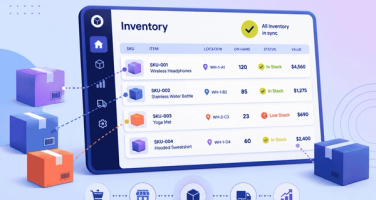
An IMS isn't a fit for everyone, it runs about $20K and needs disciplined data entry. This covers the signs you're ready, how to choose one, and how to budget.
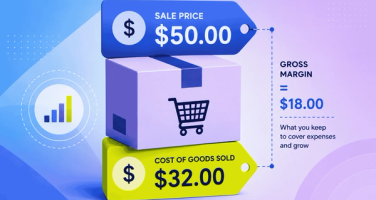
Getting COGS wrong skews taxable income, margins, and every decision built on them. This covers how to calculate unit cost, track quantities, and record it.
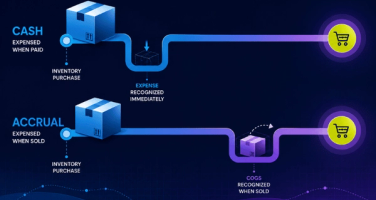
Cash vs. accrual sounds like a technicality, but for sellers with inventory, picking wrong distorts your numbers. This covers the difference and impact.
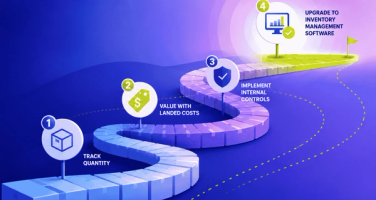
Good inventory management comes down to tracking quantity and value accurately. This lays out a four-step road map to figure out where your business stands.

Cash flow mysteries usually trace back to inventory: drifting costs, missing landed expenses, unreliable spreadsheets. This lays out a 3-step fix for it.
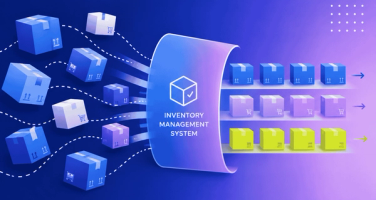
Multiple warehouses and manual processes turn inventory into a daily headache. This covers ten ways inventory software fixes it, and how to choose a tool.

Tariffs, fulfillment costs, and weaker ad performance are squeezing 7- and 8-figure sellers. This covers eight data-driven strategies to cut costs, not growth.

This checklist covers five tax moves to make before December 31st, starting with the most common and costly mistake sellers make with year-end inventory.
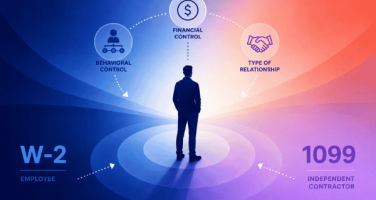
Worker misclassification is costly, and states are cracking down harder. This covers the IRS's three-part test, pros and cons of each type, and what's at stake.
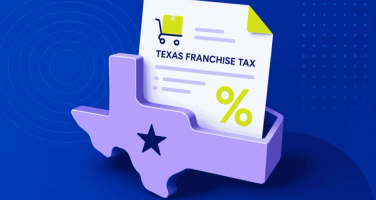
Texas franchise tax isn't sales tax, and confusing the two costs sellers with Texas nexus. This covers who pays it, how to calculate and file it, and deadlines.
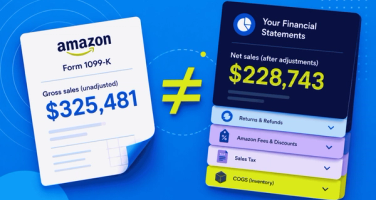
The Amazon 1099-K rarely matches your books, since it only reflects gross sales. This explains why, plus how to handle taxes, COGS, and QuickBooks setup.

The IRS raised the 2026 standard mileage rate mid-year to 76 cents per mile. LedgerGurus explains what changed and how to update it in your tracking tools.

LedgerGurus' 2025 roundup of top ecommerce content: top 3 podcast episodes, top 3 YouTube videos, and top 3 blog posts, from tariffs to sales tax to budgeting.

A directory of 100+ LedgerGurus ecommerce clients, organized by category, with what each sells, links to shop, and their Black Friday/Cyber Monday deals.

Expensify handles reporting, approval, and reimbursement in one place. This review breaks down why it works for employees, employers, and accountants alike.
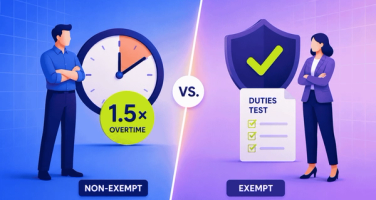
Being on salary doesn't make an employee exempt from overtime. This covers the seven FLSA exempt job categories, salary thresholds, and misclassification risks.

An EIN is a foundational step for any new online business. This covers eligibility, the five-step application process, and how international sellers can get one.

LedgerGurus was named one of Utah's 100 Companies Championing Women. This shares team stats, its satisfaction score, and an employee testimonial.

Most businesses land somewhere on a spectrum between cash and accrual. Using a fictional company, this walks through each stage and what pushes growth.
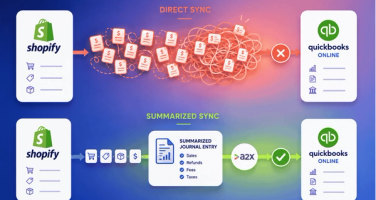
Shopify recommends syncing directly with QuickBooks Online, but that doesn't mean you should. This covers why it creates mismatched data, and what to do instead.
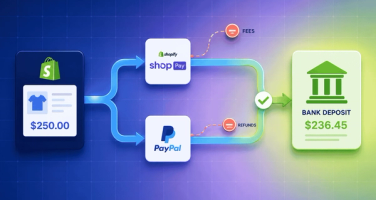
Behind every Shopify deposit is a chain of debits and credits across your sales channel, payment processor, and bank. This covers how to book it correctly.
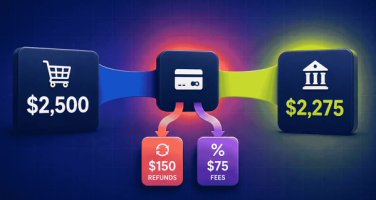
Your bank deposit almost never equals actual sales. This explains why reconciling against sales channel and processor reports matters, and what to check.

Growing ecommerce businesses hit a wall trying to handle accounting alone. This covers five benefits of outsourcing, and how to know what you need.
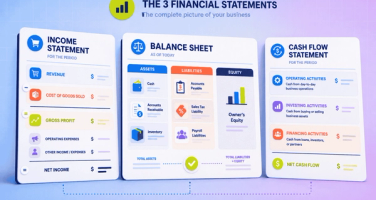
Financial statements are the language your business uses to show how it's doing. This covers the three core reports every ecommerce business needs.
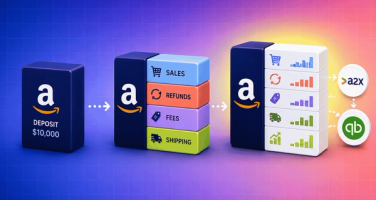
Amazon's biweekly lump-sum deposit bundles sales, refunds, and fees. This covers three methods matched to business size, plus the QuickBooks steps for each.

Shopify accounting gets messy fast because most activity happens before it hits your bank. This covers three methods for different revenue stages, plus common mistakes.
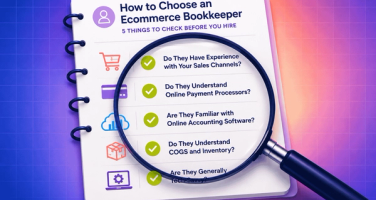
Ecommerce bookkeeping is specialized. This lays out five concrete factors to check before hiring a bookkeeper, from sales channel experience to COGS.
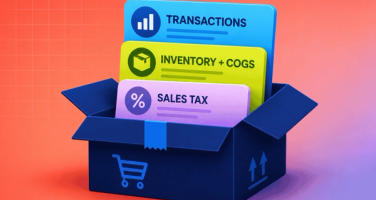
Most sellers assume general accounting knowledge is enough, until the bank deposit doesn't match sales. This covers why ecommerce accounting differs, and how to choose the right accountant.

Good bookkeeping gives founders the visibility to scale confidently. This introduces LedgerGurus' free Essential Ecommerce Bookkeeping Checklist.
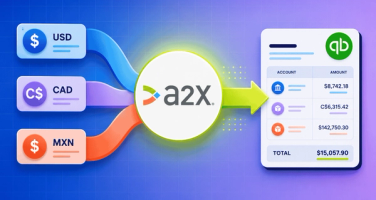
See how the A2X accounting app handles foreign currency for international sellers, including deposit display in both currencies and setup steps for QBO.
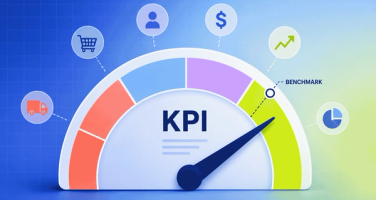
Most owners know they should track KPIs, but not which ones. This covers what makes a KPI worth tracking, and 10 KPIs to benchmark your business against.
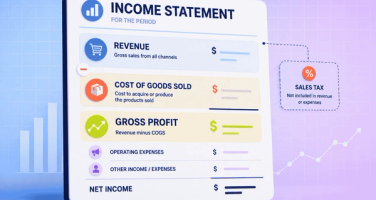
The ecommerce income statement trips people up in predictable places: sales tax, net deposits recorded as revenue, and COGS booked at the wrong time.
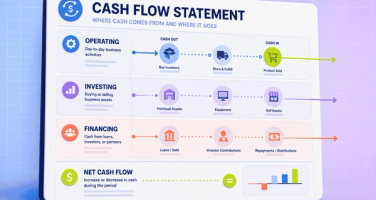
Knowing your profit doesn't mean knowing where cash goes. This covers the three types of cash flow, both statement methods, and why the discipline pays off.
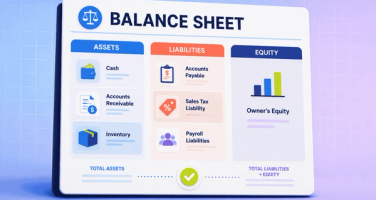
Ecommerce balance sheets have two accounts that behave differently: sales tax liability and inventory. This covers those, plus cash versus accrual basics.
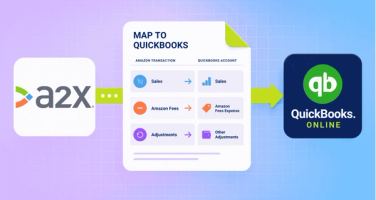
Once A2X pulls in your Amazon settlements, connect it to QuickBooks Online. This covers what you need first, plus how to refresh or disconnect later.
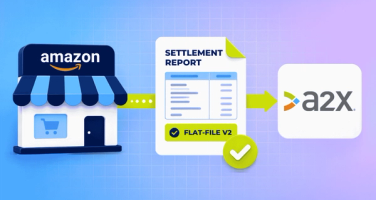
Connecting A2X to Amazon has a few gotchas. This covers both connection methods, what to do without admin access, and why settlement report format matters.
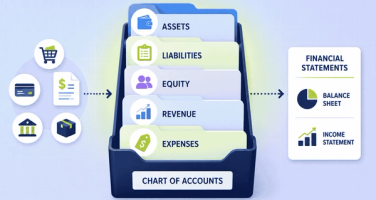
A chart of accounts quietly makes or breaks your bookkeeping. This covers what it is, how to set one up in QuickBooks Online, and tips to keep it clean.
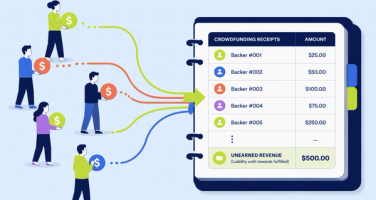
Crowdfunding raises money without debt, but the accounting is trickier than a one-time entry. This covers tracking, deferring income, and cash flow.
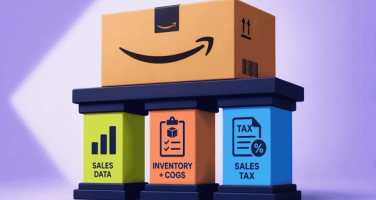
Amazon seller accounting has real quirks: lumpy deposits, shifting sales tax rules. This covers the three areas where most sellers run into trouble.
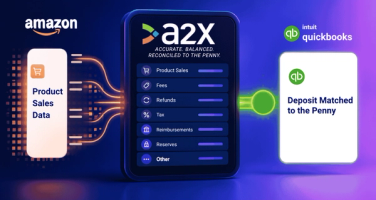
Amazon's biweekly deposit hides your real sales, fees, and costs. See how A2X breaks it down, with a real client example of an $81,788 discrepancy.
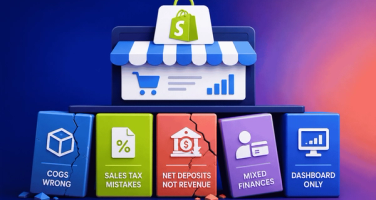
Shopify makes selling easy, but not accounting. This covers five mistakes LedgerGurus sees often, from miscalculated COGS to mixed personal finances.
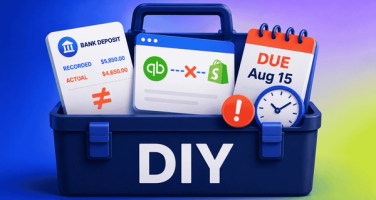
DIY accounting feels like a money-saver until mistakes pile up. This covers five common pitfalls, from bookkeeping errors to blown tax deadlines.
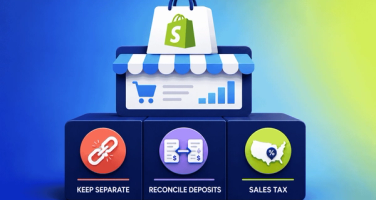
Three foundational accounting practices for Shopify sellers: keeping Shopify separate from accounting software, reconciling deposits, and sales tax.
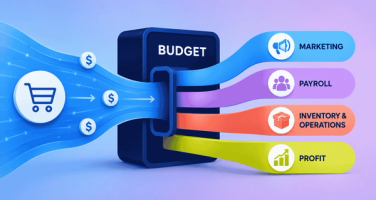
A budget turns financial guesswork into control. This walks through five steps to build one, from gross profit margin to monthly review and adjustment.
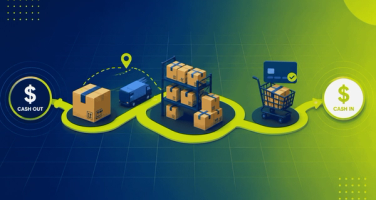
Cash gets tied up in inventory longer than you think. See the six stages between paying for goods and getting paid, plus two formulas to track the lag.
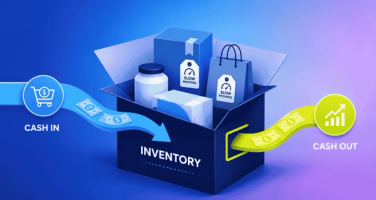
Profitable on paper, short on cash. Drawing on a webinar with Highbeam's David Segal, this covers supplier terms, capital costs, and where AI helps.
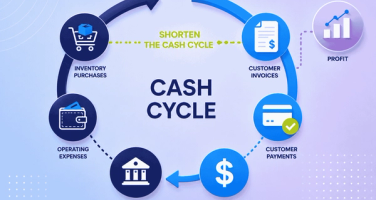
Cash flow is more than your bank balance. This covers your cash cycle, generating cash from operations, optimizing receivables, and using debt wisely.

AP fraud can quietly drain hundreds of thousands before anyone notices. This covers warning signs in employees and transactions, plus prevention tips.
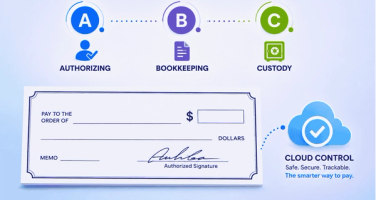
Manual bill payment breaks down into risky shortcuts like blank signed checks. This covers the ABC's of segregation of duties and how cloud tools fix it.
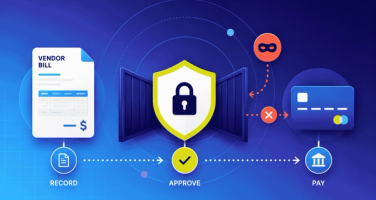
AP is a top fraud risk in any business, but strong controls close the gaps. This covers a practical three-step approach and who should own the process.

Texas franchise tax is a privilege tax on gross revenue, not a sales tax and not an income tax, and it applies to any business with nexus in Texas regardless of sales channel. As of January 1, 2024 the threshold rose from $1.18 million to $2.47 million and the No Tax Due Report was scrapped. Kelley Birrell covers what changed, which form applies at which revenue level, and walks both forms line by line.

Sellers turn on Shopify tax collection, sell on Amazon, and assume compliance is handled. This walks through the gaps that assumption leaves behind. Amazon remits under marketplace facilitator laws but never registers you, and FBA inventory creates physical nexus in every state it sits in. Shopify collects nothing on its own. You also get the difference between collecting without remitting and never collecting at all, plus a five step cleanup plan.

Every month you put off sales tax, your exposure grows. Interest runs from the day the tax was due, and states will not waive it. Penalties range from 10% to 50%, and most states waive them through a voluntary disclosure agreement (VDA), but only if you come forward before a state contacts you. Kelley Birrell explains why never filing brings a longer lookback than filing late, and what shifts the moment a state's letter arrives.

A $5 million seller got handed a $300,000 inventory adjustment at year end and spent the night trying to work out where it went. This video explains why that happens: roughly 20 points between a purchase order and your P&L where reality and your reports can separate. You get two tests for whether your numbers hold up, a gross margin consistency check and a 10% adjustment threshold, plus three things you can run this week.

Buy $100,000 of inventory in January, expense it all at once, and January shows a loss while February and March look spectacular. That works until you are running multiple suppliers, varying freight, and returns. Kelley Birrell explains why growth does not break your COGS, it exposes the method you were already using, and walks the accrual approach: inventory sits on the balance sheet as an asset and moves into COGS as it sells.

Guessing at reorder timing is how sellers end up either out of stock or sitting on cash they cannot touch. This walkthrough sets up a free forecasting spreadsheet with one SKU per row, adds cost per unit and lead time, then projects this year's demand from last year's sales and a growth percentage. You learn to read the red cells that signal a coming stockout, and to work backwards from lead time to the month you actually need to order.

Pick the wrong inventory costing method and you either overstate profit or hand the IRS more than you owe. Kelley Birrell runs the same 300 shirt example through all three methods, average cost, FIFO, and LIFO, and shows your COGS (cost of goods sold) landing at $975, $900, or $1,125 on identical sales. You get the tradeoffs behind each one, the three mistakes sellers make most often, and a scorecard for matching a method to how your business runs.

Your vendor charges you sales tax in a state where you have no nexus, and you pay it because nobody told you there was another option. The Multistate Tax Commission (MTC) resale certificate is accepted in over 30 states, and it is your next best option when a state is outside the streamlined sales tax group. Kelley Birrell walks through each field on the form and the footnotes that decide whether a state will accept it.

Charge tax on an exempt item during a sales tax holiday and you have overcharged a customer and fallen out of compliance. Over 20 states ran holidays in August 2025 alone. Kelley Birrell covers the four main types of holidays, real 2025 examples from Texas, Florida, Ohio, and Virginia, and the details that trip sellers up, like price caps, shipping, and time zones. She also compares switching tax settings by hand with letting software like Avalara or Shopify Tax do it.

Your supplier adds sales tax to your dropshipped orders and you pay it, even in states where you have no permit. One streamlined sales tax (SST) exemption certificate is accepted in all 24 streamlined states, and you do not need to be registered there to use it. Kelley Birrell fills out the form box by box, then covers what to do when a state is not on the list.

A $5 million business with healthy margins can flip to a loss on a 30% tariff increase, which is why blanket cuts are the wrong reflex. Kelley Birrell walks four steps: kill low impact spend, optimize fulfillment and marketing before slashing them, question fixed overhead including rent and payroll structure, then fix contribution margin at the product level. Plus three quick wins, including a bonded warehouse that delays your duty hit.

SKU001 tells you nothing, and once you have a few hundred of them, matching products across your store, warehouse, and accounting system turns into manual work. This walkthrough gives you a three step formula: a category identifier, the traits that make each version unique, then optional batch or version detail. You also get the rules that keep it usable, meaning eight to 12 characters, no leading zeros, no lookalike characters, and one structure for every SKU in the catalog.

Having nexus in a state does not always mean you collect there. Your products are not taxable everywhere, and marketplaces already remit for you in most states. Kelley Birrell runs the four questions LedgerGurus asks for every state. She works a case where $85,000 on Amazon plus $20,000 on Shopify puts you at $105,000 into Illinois, over the threshold, and the Shopify sales become yours to collect on.

A letter from a state is how most sellers find out they had a sales tax problem. This video reduces the whole subject to three questions: where you're selling, which determines nexus, who you're selling to, which determines exemptions, and what you're selling, since groceries, clothing, and supplements are taxed differently state by state. It closes with the mistake that causes the most cleanup work, collecting tax before you register.

Slash marketing, drop your best tools, gut fulfillment, and then wonder why sales stalled. Kelley Birrell gives the benchmark ranges first, fulfillment at 10 to 15% of revenue, marketing 10 to 20%, payroll 10 to 15%, so you know whether you actually have a problem. Then the precision cuts: packaging dimensions, campaign audits, duplicate software, renegotiated 3PL terms, and two fast wins including a product redesign that doubles as a sustainability story.

States are buying seller data to find businesses that never registered, so waiting to be contacted is a losing strategy. This video covers five things: where you have nexus and when registration is required, the where, who, and what that decide taxability, how to handle exemption certificates, what to do when a business activity questionnaire arrives, and the options available if you have already fallen behind.

States are getting more aggressive with online sellers, so plan on an audit notice arriving at some point. Waiting until it shows up leaves you scrambling for records you should already have. Kelley Birrell covers the ongoing practices that keep you ready, then the four steps to take once the notice lands: gather sales data from every channel, get your returns and exemption certificates in order, prepare to respond, and bring in help.

Six years after Wayfair, the leniency states showed online sellers is gone. This video covers three audit trends: states funding dedicated audit task forces in California, Florida, and Washington, mailing business activity questionnaires that ask for three years of sales data, and sharing what they find with each other through a multi-state commission. You also get what puts you on a state's radar, and why Washington's penalties reach 39% of the tax owed.

You missed collecting sales tax in a state, and an audit could reach back a decade. A voluntary disclosure agreement (VDA) lets you come forward first in exchange for lower penalties, a shorter lookback, and audit protection. Kelley Birrell covers the three conditions that decide whether you still qualify and the three step process from first contact through payment. She also gives the honest counterargument: if your exposure is smaller than the professional fees, just register and pay.

A letter from the state asks for your sales data going back to October 2018. That is a business activity questionnaire, and more states are sending them. Kelley Birrell explains what states are looking for: sellers who had nexus before they registered. She covers why registered and unregistered sellers both get these forms, what ignoring one costs, and why a voluntary disclosure agreement (VDA) has to happen before a notice arrives.

If you sold $1 million or more into Minnesota last year, your checkout needs a new line item. Starting July 1, 2024, Minnesota followed Colorado with a retail delivery fee of 50 cents per transaction on orders of $100 or more. Kelley Birrell covers which sales the fee applies to, how it has to appear on the receipt, and where to add it in Shopify.

States are getting seller lists from Amazon, buying and sharing lists, and in Illinois, auditing back to 2018. Registering late, collecting before you register, or missing an exemption certificate can each leave you paying out of pocket. Kelley Birrell walks through eight compliance areas that catch online sellers: nexus footprint, voluntary disclosure agreements (VDAs), product taxability, exemption certificates, use tax, retail delivery fees, aggressive states, and sales tax holidays.

Your drop shipper is right to charge you sales tax where they have nexus, unless you hand them an exemption certificate. Kelley Birrell shows how the SST and MTC forms let you cover 35 of the 45 sales tax states without registering in a single one of them. She also covers what to send when a drop shipper refuses to accept the SST form, which happens often enough to have a standard fix.

You do not owe sales tax in a state until you have nexus, a connection strong enough to create a sales tax obligation. Physical presence comes from people and property, including inventory you own sitting in a 3PL. Economic nexus comes from how much you sell, usually 200 transactions or $100,000, with bigger states like New York, Texas, and California at $500,000. Kelley Birrell explains both, and when the obligation actually starts.

Your supplier quotes $100 a unit, you price off that number, and later you wonder where the margin went. Kelley Birrell separates buy cost, which is the price tag from your supplier, from landed cost, which is what the product costs once it reaches your warehouse. She then follows a gadget shipment through inland transport, two rounds of customs, ocean freight, and warehouse receiving, adding roughly $10,000 to a $10,000 order.

This started as internal training for the LedgerGurus registrations team, which is why it goes screen by screen rather than skimming. Heidi walks the full MassTaxConnect application for a remote seller: which NAICS code to try first and what to fall back on, how to verify addresses, which date to enter for your registration requirement, and how Massachusetts uses your estimated annual tax to assign your filing frequency.

Returns, fees, advertising, warehousing, and sales tax come out of gross sales inside your channels before anything reaches your bank, so the bank feed alone hides most of your business. Syncing every channel transaction into QuickBooks Online buries you in detail instead. Kelley Birrell explains how A2X sorts channel activity into buckets and delivers one monthly journal entry, why your chart of accounts has to line up with those buckets, and what the LedgerGurus setup service covers.

A year on from the first episode, Stephen Brown grades his own 2025 predictions with Kelley Birrell holding him to it. Ecommerce retail share hit 16.3%, matching the 2020 peak, which he scores an A. Tariffs get a C, because he saw them coming but nothing like the scale. AI gets an A, but for reasons he didn't anticipate. He also covers the de minimis wind-down, why specialist lenders never passed on rate cuts, and what still hasn't dented Meta and Amazon.

A tariff lands on your customs value, which is most of your cost of goods sold. Stephen Brown works the arithmetic with Kelley Birrell: a 10% tariff costs two points of margin on a 20% COGS business and six points on a 60% one. The harder question is whether to absorb it, pass it on, or split it. Passing it on runs into price elasticity, and he walks the tariff impact calculator through three scenarios to show why raising prices can land you barely ahead of absorbing the cost.

Stephen Brown opens the Ecommerce Finance Podcast with ten trends heading into 2025 and what each one does to your numbers. Ecommerce is back above its COVID peak as a share of retail, which supports a bullish forecast. Marketing efficiency is still broken four years after iOS 14.5. Tariffs, the de minimis rule, a possible TikTok ban, and a paused port strike all carry real cost implications. Kelley Birrell joins for the conversation.

Sales are growing, the P&L says you're profitable, and cash still feels tight. Karlie from LedgerGurus and Madison Kishen from Finale walk through five places profit hides inside inventory: unexplained margin swings, landed costs that never make it into product cost, spreadsheets that quietly break, nobody owning the numbers, and no monthly check. Then a three-step fix, and how each operational action turns into a financial entry.

Forty-five states rely on sales tax as their single biggest revenue stream, which is why they keep hiring auditors and lowering thresholds. Christopher and Kevin from Avalara walk through the five steps of compliance, from working out where you have nexus to remitting the returns. Along the way: why New York taxes tacos but not burritos, why one neighbour gets all the packages, and what a VDA does to a Texas look-back period.

Some sellers are worrying about sales tax when they do not have to, and others are ignoring an obligation that could wipe out their profits. Brittany Brown and Kexin Smith separate the two, then lay out the three guideposts: work out your nexus, decide where to register, and collect and remit. They close with the three setup mistakes clients pay thousands to unravel.
 Brittany BrownChief Executive Officer
 Stephen BrownChief Operating Officer
 Anna YoungDirector of Learning and Initiatives
We use cookies to improve your experience and to measure how our site and ads perform.Read our Cookie Policy